

What is the place for video games in a crushing, critical, condescending, pompous and subjective world of art?
Why does art exist?
Art is the manifestation of a creators mind, whether that’s intentional or accidental, minuscule or profound. Art has no right or reason so exist, but it just seems to be a byproduct of human existence that we can’t avoid. It’s to help cope with the hardships of existence in this savage world and we very much rely on it every single day. Throughout human history, we’ve devised prodigious mediums in which we need to express ourselves. Cave painting onto oil and canvas, oral tradition morphs into written word, revolutionizing and accelerating human thought and so on. I believe that the historically recent creation of video games holds the same artistic power and value that any other art form has. The debate of “Are video games art?” has been going on for longer than I’ve been alive and it’s one that I want to contribute to. I’m advocating for why video games are just as effective at telling a story and having real outlets of expression as any other medium, as well as this visual and this interactive media being a true form of art along with film, music, literature, and physical/conceptual art.
I’m not sure if I can convince you, but I can lay out some information and let you decide.
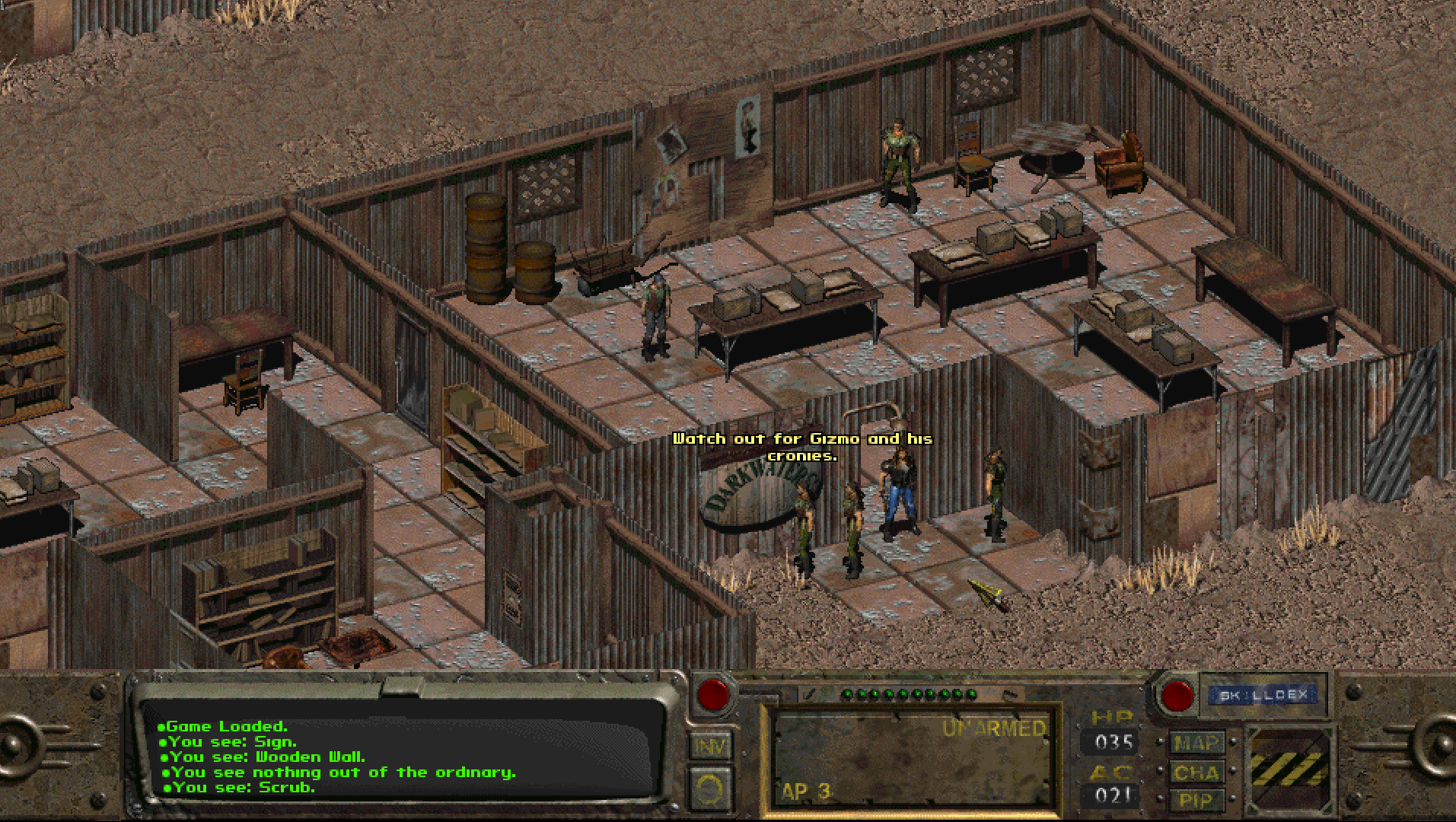
Inside the Game:

Understanding the Game:
I think a lot of people’s minds go straight to Pong, Tetris, Frogger, arcade cabinets, and pockets full of quarters and Big League Chew when they hear that dreaded word “video game.” Since their inception in the early 1970’s they’ve evolved into something much more advanced and sophisticated. Modern video games have become so complicated that they’ve blasted past most people’s preconceptions and to truly grasp their nature, you must recognize the tools in which game developers use to make their art.
Since around the mid 80’s, video games have been developed with a software called gamed engines. Basically, they are programs specifically tailor-made to make video games. Built in with capabilities to create and manipulate objects, physics, data, audio, scripting, and anything else that would be involved. They are complicated invention but streamline the game making process and allow for endless potential. Much like inspecting an artists canvas or seeing a chef’s kitchen, seeing how an artist works gives an unmatched insight and understanding into their work in which, hopefully, the onlooker gains more respect and admiration.
When developers work in any game engine, they have to pick a coding language to base all of the data and scripts for their project. This is the DNA of the art, the fabric of an online universe is sown with the magical language of coding and with such an abundance of languages, there are literally endless possibilities in crafting an experience (Not to mention that these languages take years to master and the case is the same for each game engine.) Just think about how language works: There are several ways one can word a singular idea, feeling or thought, and so, language gives light to how one thinks and compartmentalizes the world. The same goes for a coding language. Each coding language has their own advantages and limitations, some can be more efficient in using scripts, or speed of calculation, or just personal preference of the coder. How one depicts human thought and actions plays a direct role in the style and validity of their art. With very little coding experience myself (I worked with C## for about eight months on a small project), I can only say that the depth in which an electronic wafer can hold still baffles me and is nothing short of witchcraft. The inventors of electronics and computing truly are the pioneers to our next frontier.
I think it’s important to know games at this deep of a level because it only adds to what makes them so special. The depth within the virtual landscape is deeper than the ocean trenches, and great examples of video games utilize this to it’s fullest extent. I’ve always appreciated when developers include “Easter eggs” (and have the decency to make a good and honest experience.
Art needs to be interacted with to be fully understood:
In my opinion, video games have a hard to shake reputation and are generally, subconsciously looked down upon. It could have to do with how “new” they are relative to other arts, it could also be the juvenile soaked marketing or stubborn personal impressions. Like all art, they are a curated experience for the onlooker. Depending on the medium, some are more interactive and involved than others, and video games help you understand this feeling more than anything else. I’ll use the game titled Dark Souls to explain. This very popular game series is famous for it’s difficulty. For most people, it’s difficulty turns a lot of players away immediately, but for those who stick around to see what the series has to offer it’s truly one of the best experiences you can have with video games.
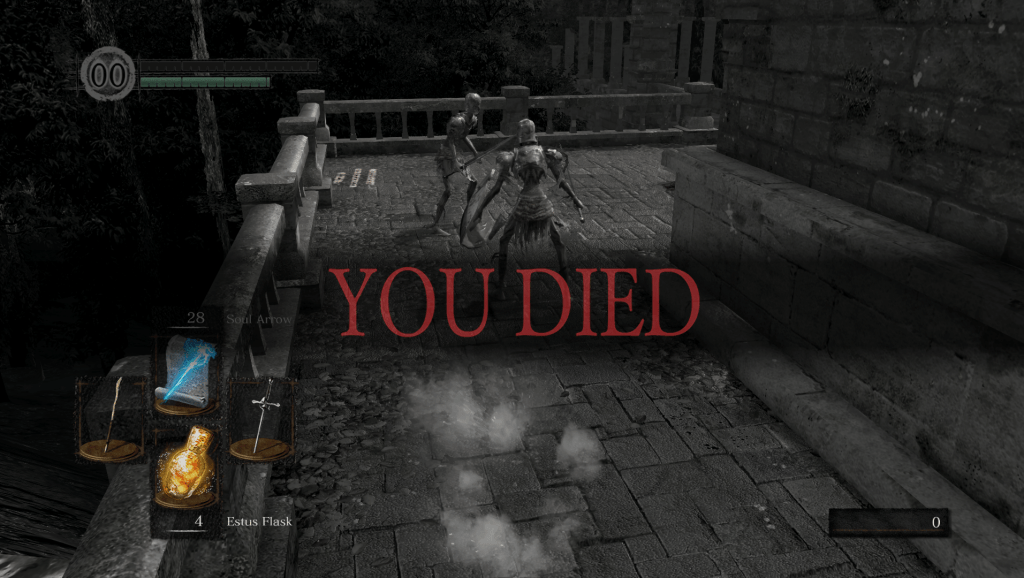
There is one stipulation about this difficulty though. Yes, this game is hard, mostly unforgiving, and leaves you with little to no guidance. Yes, this game has a reputation. But what better way to keep a gnarly reputation then by hyperbole? The game really just takes some getting used to and for those who want to dedicate the time and skill to this game will most likely complete it. What no better metaphor for the struggles of life! Dedicating time and discipline to one thing can be a grueling but rewarding experience. I promise you, it’s entirely worth it if you have the time to invest. You get to explore it’s mysterious world, understand the deep mechanics, overcome the incredible boss encounters and story that the world has to offer. I only beat Dark Souls earlier this year, but it has made an impact on what I think a good video game experience should be.
Dark Souls and others listed below are prime examples of the need to embrace your art to truly understand it.
Linear or non-linear:
The storytelling possibilities for video games is endless, much like any other art. Depending on the game, you’re able to change how the story plays out. This is especially prevalent in role-playing games, “choice & consequences” (Your actions trigger a specific change or reaction in the world; Ultimately, the world reacts to the player) differ them from a lot of games. In most games, you start at point A, go to point B, end the game at C, nice and simple but effective storytelling. Non-linear games on the other hand, you start at point A, point B might be some place to walk by eventually, and point C is in the distance for you to work towards. You can complete game objectives and story points in any way you feel. Most games nowadays are called “open world games” which means you just put all the games objectives in an open map and call it a day, it’s pretty common for modern open world games to be lackluster and largely empty. The artistry comes into play when designers and developers use the medium to their advantage. Just think of the endless possibilities when it comes to creating a video game, you have the building blocks of life and quite literally anything is possible. But, we know what usually happens with such a great gift; we squander it, squeeze anything useful out of it and leave it on the side of the road for the next hotness. Game developers and publishers have relied on the gimmick of “open-world” for over a decade at this point, and is really just degrading to the medium.
I’m not arguing whether linear or non-linear game design are superior to each other. Each have their own distinct advantages and are equally as capable at creating a beautiful piece of art. Some of the most influential and important games have very simple objectives or graphics.
The “intended way to play”:
Interactivity is the key to a great video game experience. Over the years as games have gotten more complicated, and having more funds backing it, development teams have been able to create their own philosophies on how and why a video should be played. I would call it something like the “intended way to play”, and this is needed to facilitate and execute an impactful story and/or message. Titles like The Last of Us, the God of War series, and most Nintendo properties have to comply to this. Imagine picking up Tortilla Flat and reading the first few chapters. You can get to know Danny, his friends, the namesake of the book, and then you decide to skip to the second half of the story, watching the gang’s house burn down. You feel like you’re missing something, right? That’s not the intended way to “play the game” or read the book in this case. Obviously, you want to start on Chapter 1 and finish the book in order. The intended way to play. I’m hoping you can see the advantage in telling a story in a linear, “way to play” fashion, but there is more than one way to interpret a story.
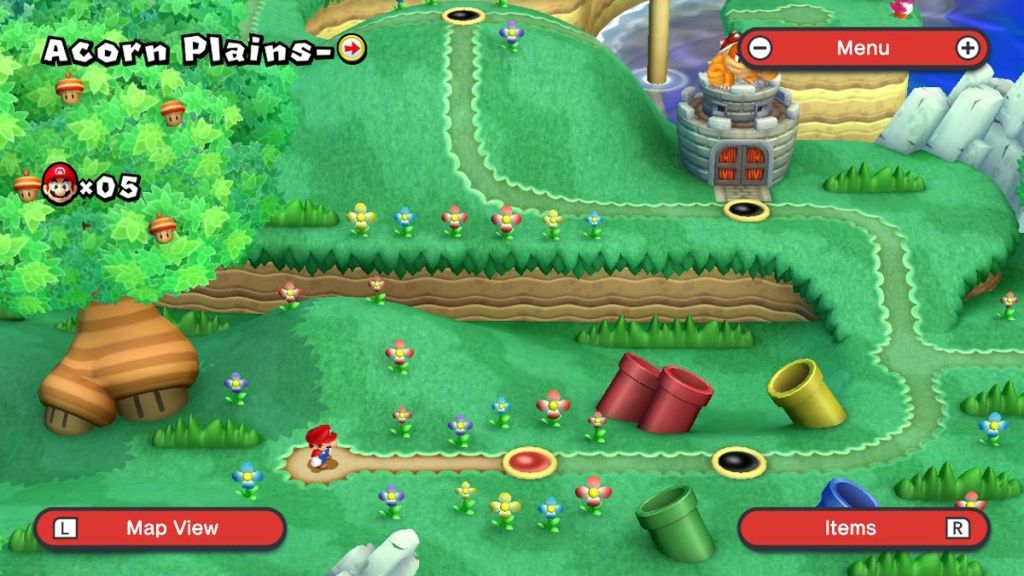
The “way you want to play”:
Outward is harsh, mysterious, and draws you into its world by the sheer feeling of adventure. This game emphasizes the personal experience of the player by giving them a unique fantasy setting, challenging gameplay and dozens of quests to keep you occupied. The game starts with you having to pay back your family’s debt within five in-game days. If you’re unable to complete this, you lose your home, an essential resource to survive. It gives you no guidance in how to pay this debt, or even a way to get more information. Outward has an open world, with dozens of different abilities and spells to learn and interact with. A handful of distinct environments, factions and religions make this game feel strangely alive. I think this game, and others like it, exemplify what it means to “play your way.”
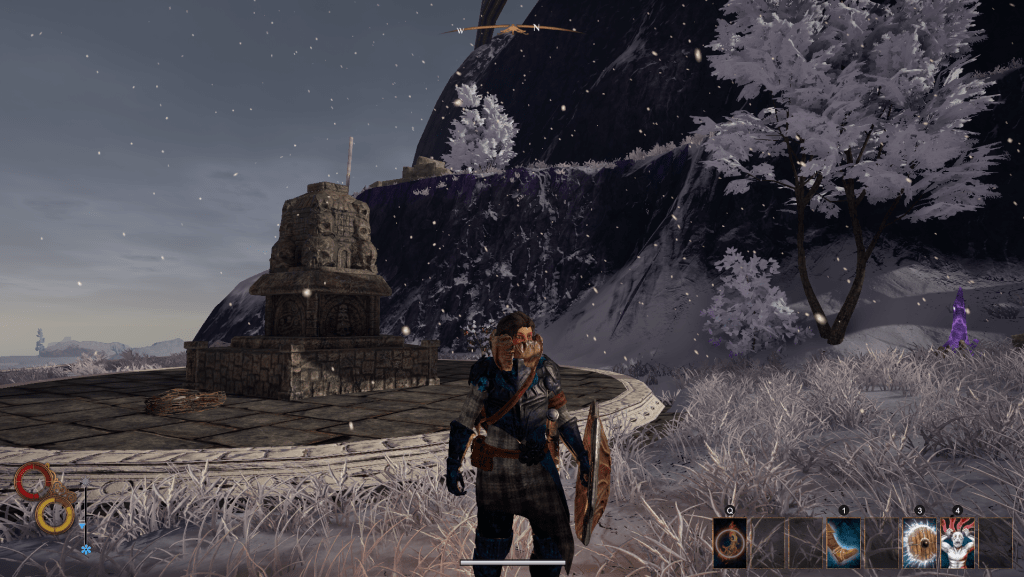
Currently, the philosophy of “open worlds” and “vast, endless gameplay” (I put these in quotes because these marketing niches are quickly becoming overused and frankly insulting to the audience) is dominant within the gaming world and is generally what is preferred in the average game consumer. The popularity of each ebb and flow through the popular game releases and keeps the market and demand constantly diverging. One week, Helldivers 2 (a sci-fi a third person action shooter) will be a top played game, next week League of Legends (an isometric online multiplayer game) booms back into the limelight. Popular taste is usually dictated by whatever game releases, but there are times a small indie title (a game made my a single person or small development team) changes the trajectory of the entire industry. It’s a struggle for even a fully invested game fanatic to play every release. A blessing and a curse.
How Can I Constitute This as Art?
Defining art is slippery. This puts me in a position to look potentially biased or at hazard of offending those who defend this subject to the death. Obviously, this an objective matter, eye of the beholder, yada yada, but what’s been certainly lacking in recent art and media are some damn **standards, definitions and an appreciation for something much beyond us (**Our recent obsessions with expressive freedoms and individual truths has ironically made objective reality harder to define.) Art is metaphysical, it’s beyond what we can comprehend and it means something more than what we can explain. Looking back at influential art throughout all of human history… what made them so special? It’s a combination of a lot of things, but truth and an unapologetic effort is absolutely necessary to make any sort of impact.
Look back to some beautiful works that humanity has produced:
- The Pyramids
- Sistine Chapel (also the Creation of Adam)
- Mona Lisa
I could list so many things, but you get the picture. The existence of the Sistine Chapel is an example of human ingenuity and worship. Both are deeply ingrained in our beings. The Great Pyramids of Giza also hold this beacon of impossibly adroit creativity and ingenious. The point is, art is necessary for human existence, and as a whole it’s importance has been dissolving before my eyes.
Sadly, the vast majority of the video game industry has made it hard to argue about the artistic authenticity of recent games. Most of them fall victim to poor execution and flawed game design, most without the will or the money to pull themselves back up, not to mention that most games come down to a FOMO money grab with Marvel characters in full view. With most games being sold at a “premium price” of at least $69.99, you would expect to get something substantial. Maybe compare this to purchasing a book, movie or subscribing to a streaming service. A completely absurd price on top of expected additional transactions make these games a seemingly deep and well thought out experience, but most don’t make this expectation. Strangely, games that are guilty of this still sell incredibly well and are able to fund the almost $200 billion dollar industry. The train will keep on rolling and rolling…
The next section talks more deeply about this, but just to get this off my chest for now; the only reason these games are so expensive to make is not because of a few room full or writers or directors, its because these high fidelity graphics just take a lot of resources and time to develop. It’s the first thing you see, so it’s tantalizing and exciting “Oooo! Pretty graphics! I can see their pores and eyelashes!” so, of course, the companies that control what game developers do, push and enforce the obsession with realism, causing the other essential pillars of a great game to crumble and fail. We can rant about that later.
But, when you don’t have realistic visuals to look at, what else should you be looking for?
Above is a video on Tim Cain’s YouTube channel. He does a great job in expanding this argument, and he has contributed to some amazing works and his ideas and philosophies still influence how RPGs (Role-Playing Games) are made today. He mainly talks about pushing forward an artistic vision. Trying to relay a message, making a statement, etc. But I think it goes even deeper than this. I feel as if the game itself, the code, the interactive nature of them takes it to another level, almost to something completely unique. Yes, a great story can leave a last impression on you, even change the way you view the world. But, being within the world is a whole different feeling. It’s hard to describe the inimitable, palpable nature of a video game. I’ll try my best with starting on some comparisons.
For my argument, I’ll be using video games that I personally love and that I think contribute to the idea of video games being an art form. You’ll notice that all of them are role-playing games, they just happen to be my favorite genre of games and may potentially be the best representation of a video game for reasons I will get into later in this section.
Here are the elements in video games that I think contribute to it’s artistic nature:
What it has in common with other arts…
The ability to tell a story:
Video games have the ability to tell a story in the traditional sense, and in a much large, worldly sense. You can follow a character, follow their story arc from start to finish, be introduced to new characters and experience their lives. That’s a traditional story. A great video game deeply immerses you in it’s world, allows you to breath it’s air and want you to stay a while. Moving within the game’s map, jumping around, collecting objects, talking to NPCs (non player characters) is innately similar to how the world we live in works. Movies and books obviously do this (I think book’s do this a little better than movies just because of the amount of time needed to process everything), but the interactivity of a video game make it more personal, more involved and more impactful.
A manifestation of an artist’s mindset:
A beautiful painting is an expression of the artisan and a novel is of the same vein. Any video game is an attempt to create the patron a world, an experience, almost like a thought experiment. Looking at the Garden of Earthly Delights simply immerses you. There’s so much to look at, so many little details and layers of stories to keep you interested and invested. The panels painfully depict three realms of existence and you can’t help but be entangled in the atmosphere and grotesque figures. Video games capture that same magic, that immersion that makes it a phenomenon. The embodiment of this manifestation is talked about more later in the piece.
Graphics obviously show the artist’s intent, their style, their message, their intended audience:
This expands on the idea of manifestation of the mind. The art style of a game is probably the first thing that designers decide on in the meeting room, along with their pre-order bonuses and live service model plans. In the same way a portrait is framed, or a movie is filmed, the way your game is displayed, even the way the camera is positioned completely sets the mood and the expectation of the experience. If you want a gritty, violent western themed shooter game, a third-person camera with high action is probably your best bet. If you had the same theme and gameplay but changed the camera to an isometric view (birds eye) it would be become a tactical action RPG. One could create their game in a graphic novel/comic book art style, a voxel/pixel style, or even legacy-era 3D. The possibilities are literally endless, the only limitation being the creators mind.
Gameplay is more essential than graphics, and an artists message can be heard through the power of suggestion and action. VR (Virtual reality) stands to be a great representation of the interactivity of video games. If you haven’t seen the Meta Quest or Oculus Rift, it’s basically a helmet with headphones and a front display screen covering your eyes that comes with two hand controllers with individual finger buttons. Putting this on and firing a game up literally takes you to another world. I have very little experience with this, and so does the gaming industry just because of how recent they are to the market. Only until recently did full sized experiences start to be developed and come out for the platform, and they’ve proven the existence of a “virtual world.” The artistry of these games has yet to be desired, but in time I believe some masterpieces will be created (Titles like Half-Life Alyx and ports of popular console games are an incredible start.) Although there a few exceptions, most of what VR is, is exploring a small niche or idea, as opposed to a normal game release.
Putting an End to Visual Dependence
Graphics don’t mean anything.
An expectation of good graphics is something harmful to the art of video games and inevitably leads to pure destruction and/or the loss of the art form. The visuals (there are some exceptions, of course) should never be a determination on the worth of this as an art. When I play a video game, I look for the following in order of importance:
- The world (How immersed am I in this experience? Is this experience full-hearted and properly thought through?)
- The gameplay (A realistic looking FPS isn’t enough to keep me interested. I personally love role playing games.)
- The writing (Dialogue, in-game lore, storytelling ability, world-building, etc.)
- The visuals
I would assume that most people look at these things when trying to find their next virtual experience, but a truly artful video game experience (in my opinion) makes the world and the gameplay a front facing feature. You can over up a lot of discrepancies with decent writing and glittering graphics and I would say a lot of people fall into a trance when looking at “next-gen” (high fidelity/realistic) graphics. Much like our world today, looks are deceiving. Have we learned nothing from Hansel & Gretel?
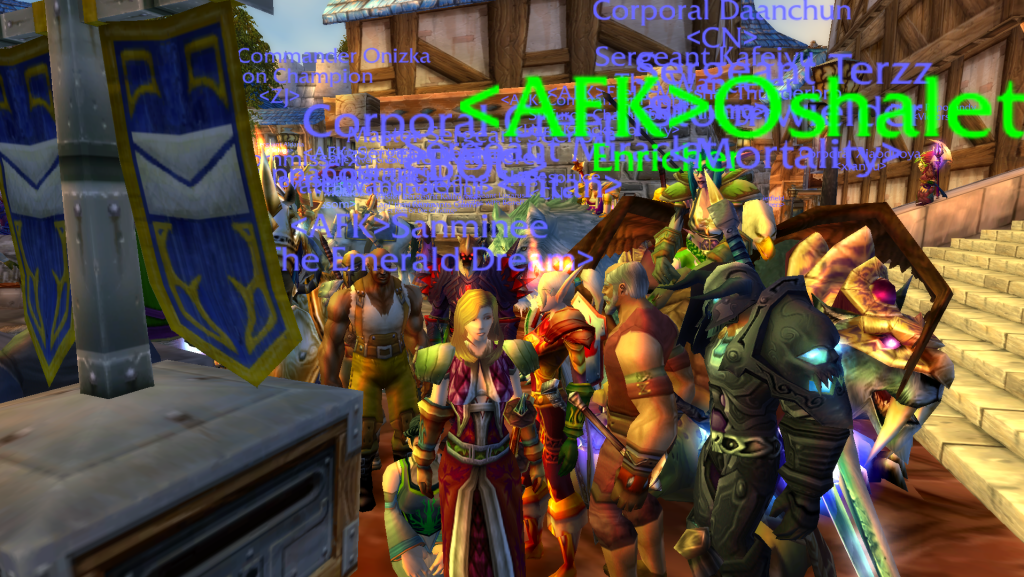
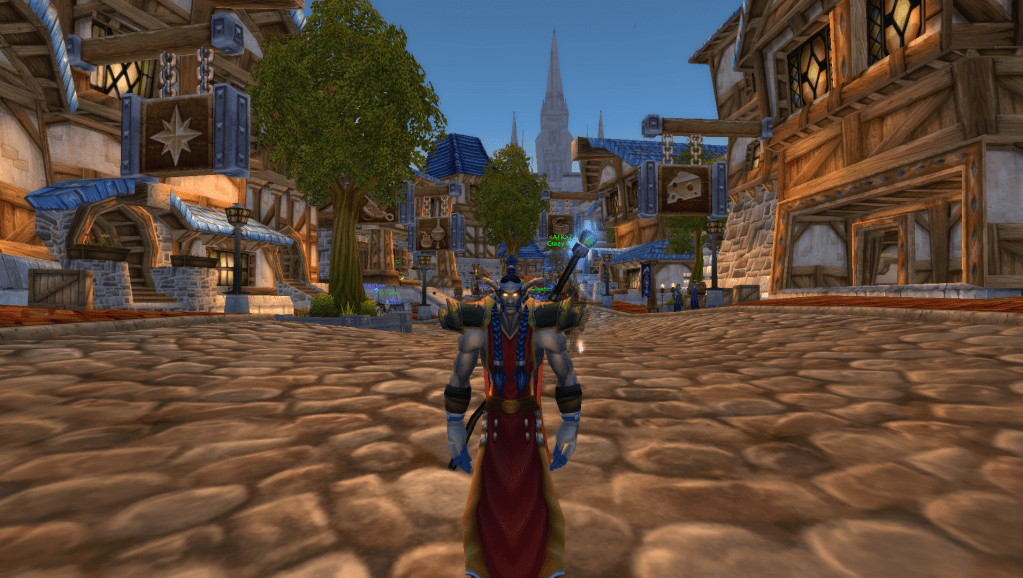
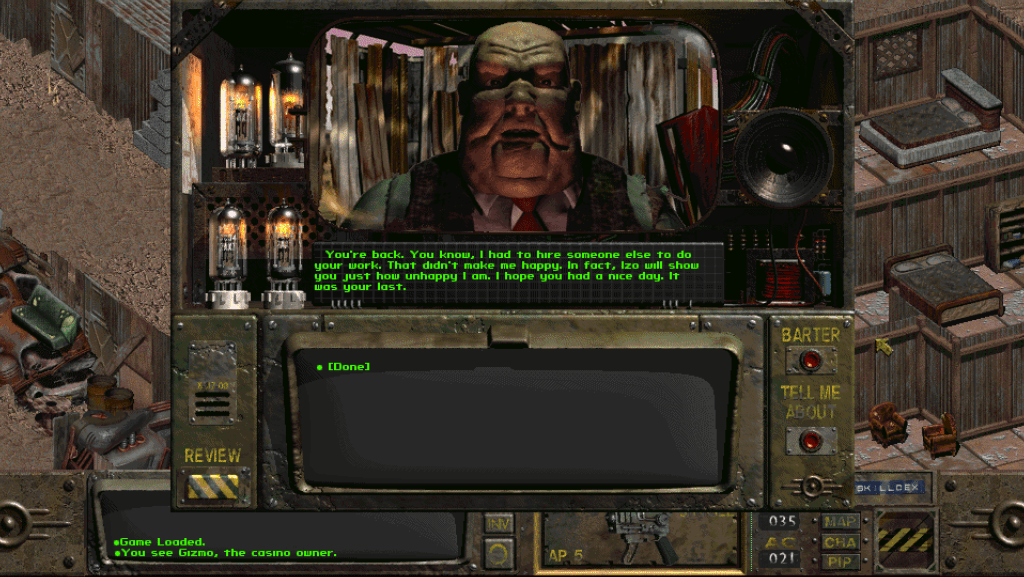
Throughout the writing there will be screenshots of various games that I deem relevant to the conversation for context and for you to take in some great video game worlds.

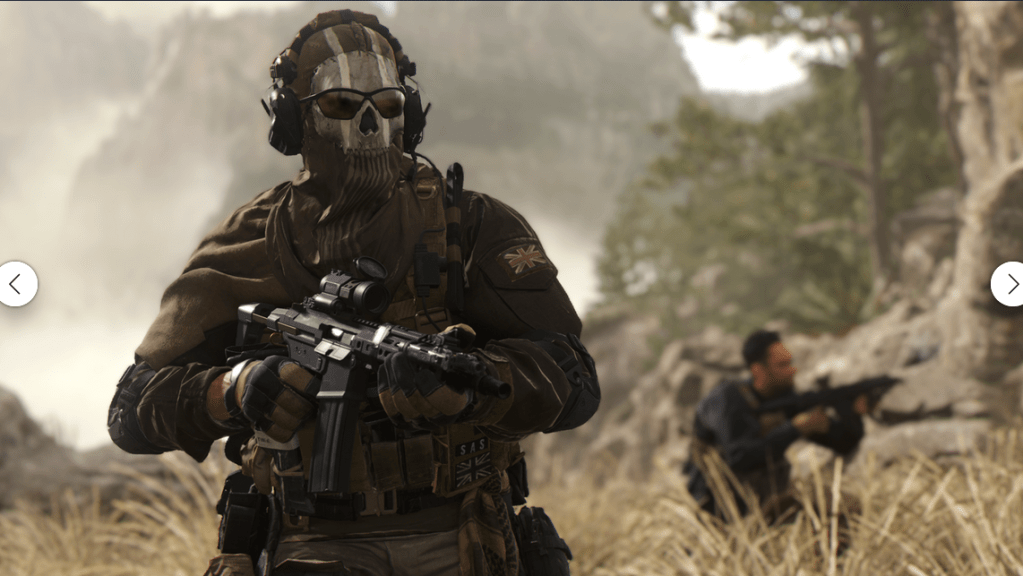
Let’s get into what I really want to address. Of course, I use this GIF above to poke fun at some people, but I really do feel that a lot of video game consumers put all their marbles on what their favorite game looks like more than anything. I use the word destructive for the sheer fact that budgets for AAA titles go into the hundreds of millions of dollars with not a lot to show for it. Usually these releases lack a full experience for the player in terms of amount or quality of content. One of the most recent Call of Duty games, Modern Warfare 3 supposedly cost $250 million on the low end to develop. Sure, the game looks a lot like real life, the guns certainly are recreated in immaculate detail and the gun is pretty fun to shoot. Without being too sardonic, that’s really all I can say that this franchise has achieved in the last 15 years (I’m a huge fan of the earlier titles, Call of Duty 4, and 5. I chock it up to mostly nostalgia.) Wouldn’t you want your $250 million dollar game to do more than look mostly like real life? I want something more to sink my teeth into and I know I’m not alone. Consumers are getting fed up with the fast-foodification of digital media are want something more, something substantial and something to keep you full and occupied for more than a week.
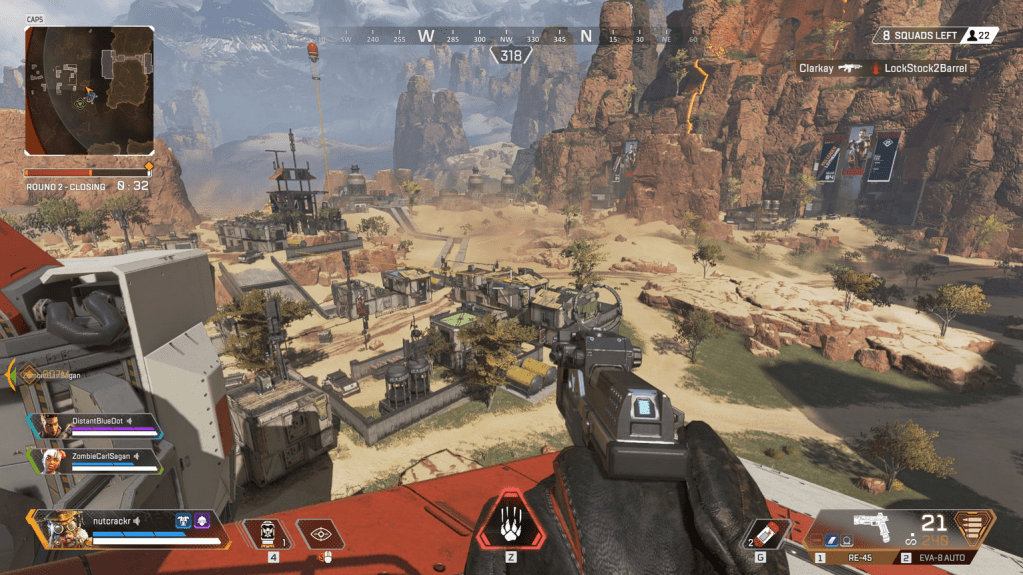
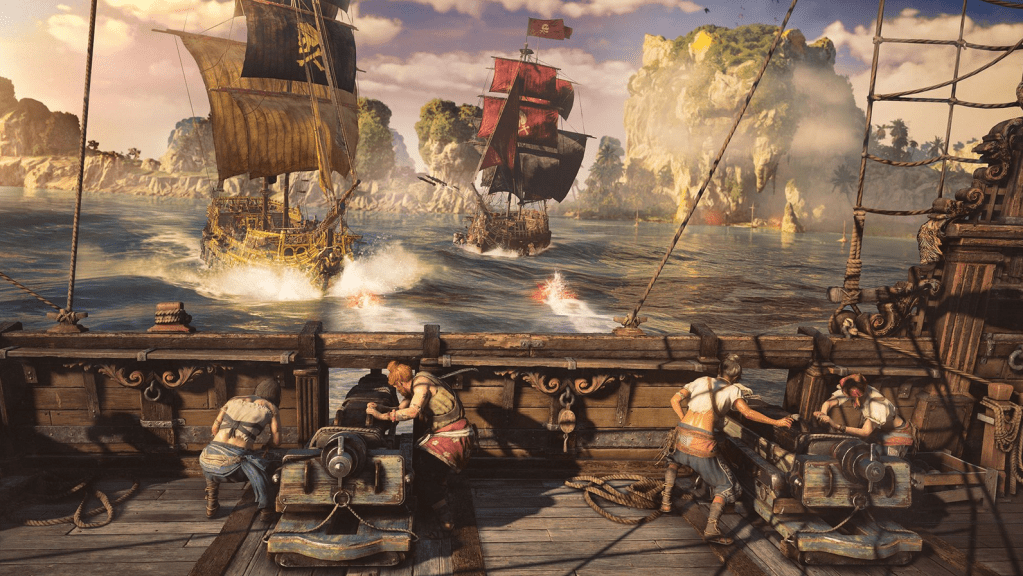
“Don’t judge a book by it’s cover.” Sir, we have turned this phrased around, fucked it sideways and forced it to lie. We always have preconceived notions about everything we interact with, sadly that’s human nature.
I’d say that visuals are needed to an extent… mainly to show the most essential gameplay elements and having a defined visual style (of course this is subjective. There are titles like Ori, and the Blind Forest that’s critically acclaimed and was sold mainly on it’s unique hand-drawn art style. I never really liked how this game looked. I can’t quite put my finger on it…The complications of this stuff goes beyond words honestly.) Video games innately posses ways to keep their audience engaged just in their interactive nature and, visuals are of course tantalizing and fun to look at but, like I said previously, there’s gotta be more to this! This for me only invokes the thoughts of Kierkegaard about the dilemma on living the aesthetic or ethical life. By no means am I comparing the ethical life with good video game design but what I am saying is that there are is a lot to lose when basing life or value in fleeting beauty and seductions.
The “Art” comes into it when individuals truly understand what’s possible with the medium. Just think of the potential of this pitch:
You’re set in any fantastical world that your mind can conceive of. You can interact with the characters or even BE the characters to push the narrative along. Honestly, you don’t even have to be a part of the story… Do you want to experience another existence? Do you want to be a part of something that just completely differs from your current existence?
Cinema, television, literature, music and traditional art all have this same kind of DNA, transporting your mind and thoughts to somewhere else. But video games tap into something that makes it completely unique: YOUR actions can change the art itself, if it’s a good game at least.
I think there’s something really special to having liberty in how you enjoy your art, it’s something we all take for granted I’ve noticed. The closest example I can think of is a “Choose your own adventure” book. There are a lot of flaws in these types of books, I wonder if there have been some great attempts on an “Adult Choose Your Own Adventure” (Can there be a better name?)
This alone doesn’t make video games a superior form of art, but I believe it’s just as compelling as a gripping novel or a great film. My argument is nothing crazy here. All I want is for video games to get the respect and recognition it deserves within the creative world.
On What Conclusion?
Being a proponent for the potential of video games, it was difficult to write this. My love and passion for these games is burning, but there is so much to dislike and I can empathize with those that find games unenjoyable or drab. The market as a whole is itself toxic, manipulative and most definitely harmful to the future of the art. There is a light of hope breaking through the cracks though. With over 40 years since their conception, there are some incredible examples of artful and tasteful games that keep the medium afloat and in high praise. I do implore you to try and understand the depth of a great game by simply playing one, if you’ve entirely avoided them up until now. Make sure when doing so, to look at it more than a game, look at it with reverence as a piece of art. There’s just too much to look past for one to throw the whole medium to the curb without a thought. Games are a facilitator for unmitigated collaboration and cooperation with your friends or another random human from somewhere else in the world (something else that contributes to it’s artistic nature.) Games do constitute as art, a damned good one at that, and I feel as if it’s taking some of the weight that literature and film have been struggling to uphold.
 Home
Home 
Leave a comment